Building a Self-Optimizing AI Network
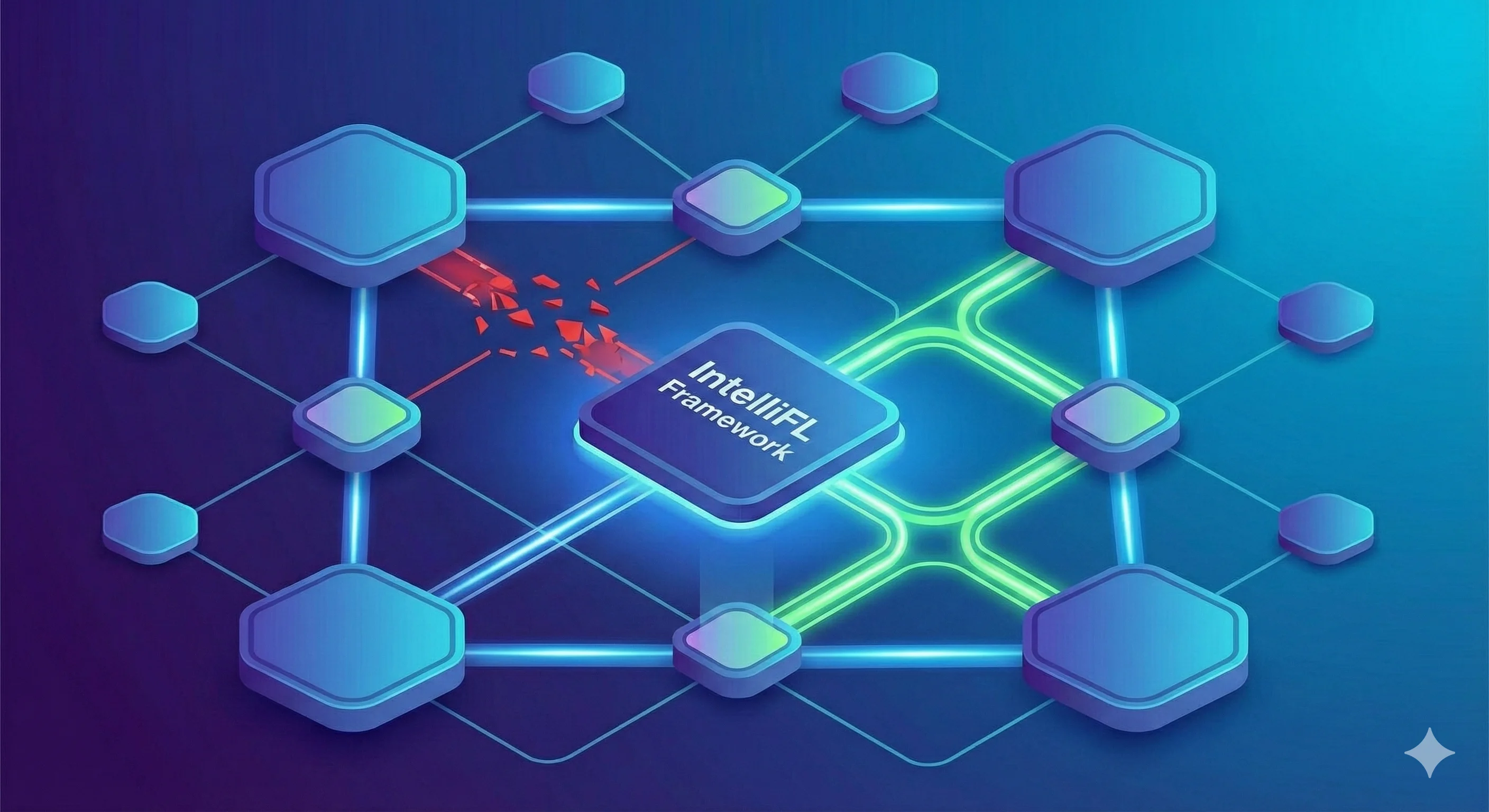
Theoretical frameworks are great, but the real test is simulation. In validating the IntelliFL framework, we compared it against standard approaches like FedAvg to see if the complexity of dynamic tuning actually pays off.
The Results
The extensive simulations highlighted a clear advantage in convergence speed and final accuracy. The self-optimizing nature of the network meant it could handle "stragglers" (slow devices) without stalling the entire training round.
- Convergence: IntelliFL reaches target accuracy significantly faster than static baselines.
- Robustness: The system maintains high accuracy even when a percentage of clients experience severe bandwidth drops.
Key Takeaways
We found that the "one-size-fits-all" approach of traditional FL is inefficient for the edge.
- Dynamic is better: Adjusting frequency and compression rates per-client is essential.
- Resource Aware: Awareness of channel states and computational power prevents bottlenecks.
Conclusion
You can't manage what you can't measure.
— Peter Drucker
By measuring channel states and computational capacity in real-time, we built a system that manages itself. The future of edge AI isn't just distributed; it's intelligent.