IntelliFL: An Adaptive Framework for Dynamic Edge Networks
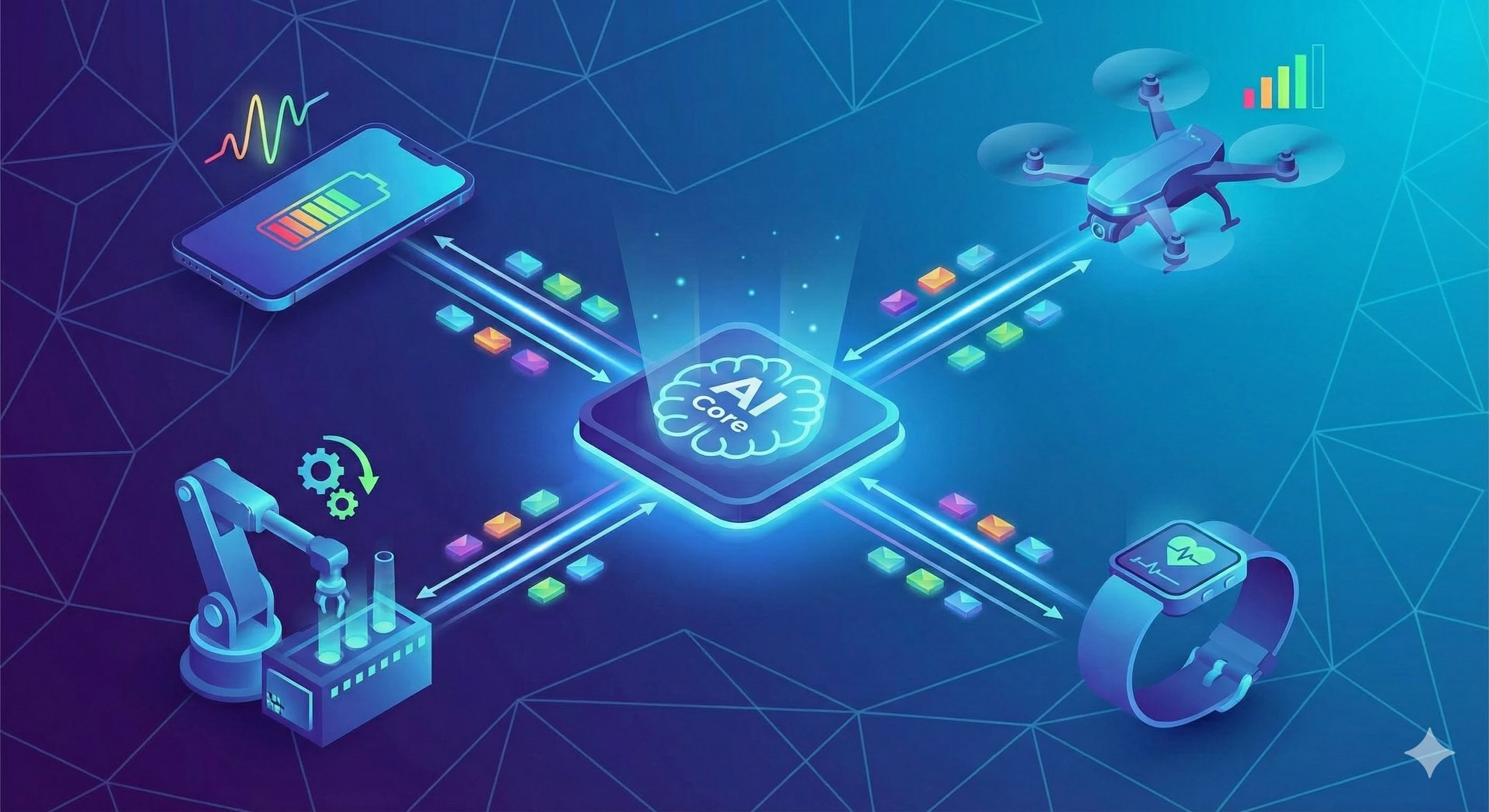
Deploying AI on the edge isn't "set it and forget it." Network conditions change by the second. A static configuration for Federated Learning usually fails because it cannot adapt to these fluctuations. This led to the development of IntelliFL.
Adaptive Control
IntelliFL is designed to be robust against the unpredictability of MEC systems. Rather than using fixed hyperparameters, it dynamically adjusts three key levers during the training process:
- Local Batch Size: Tuning how much data is processed at once based on available memory.
- Local Epochs: Deciding how many training passes a device performs before syncing.
- Compression Rate: Adjusting model compression to fit current bandwidth limits.
Algorithm logic
The core logic operates in a loop, constantly monitoring client states. Here is a simplified view of the decision process:
def optimize_round(clients):
    for client in clients:
        # Check channel gain and computing capability
        if client.is_straggler():
            client.compress_model()
            client.reduce_epochs()
        else:
            client.maximize_throughput()
    return server.aggregate()
Final Thoughts
Intelligence is the ability to adapt to change.
— Stephen Hawking
By allowing the system to reconfigure itself in real-time, IntelliFL prevents stragglers from holding back the global model, ensuring consistent performance even in volatile environments.